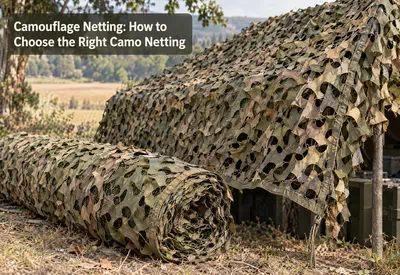
Camouflage netting is widely used for hunting, outdoor recreation, wildlife photography, and equipment coverage. However, choosing the right camo netting involves more than selecting a suitable color pattern. Material quality, mesh construction, UV resistance, and installation requirements all affect its performance.
For importers, distributors, and wholesale buyers, understanding these differences helps avoid product mismatches and ensures the netting meets customers' actual needs.
1. Common Types of Camouflage Netting
Different environments require different camouflage patterns.
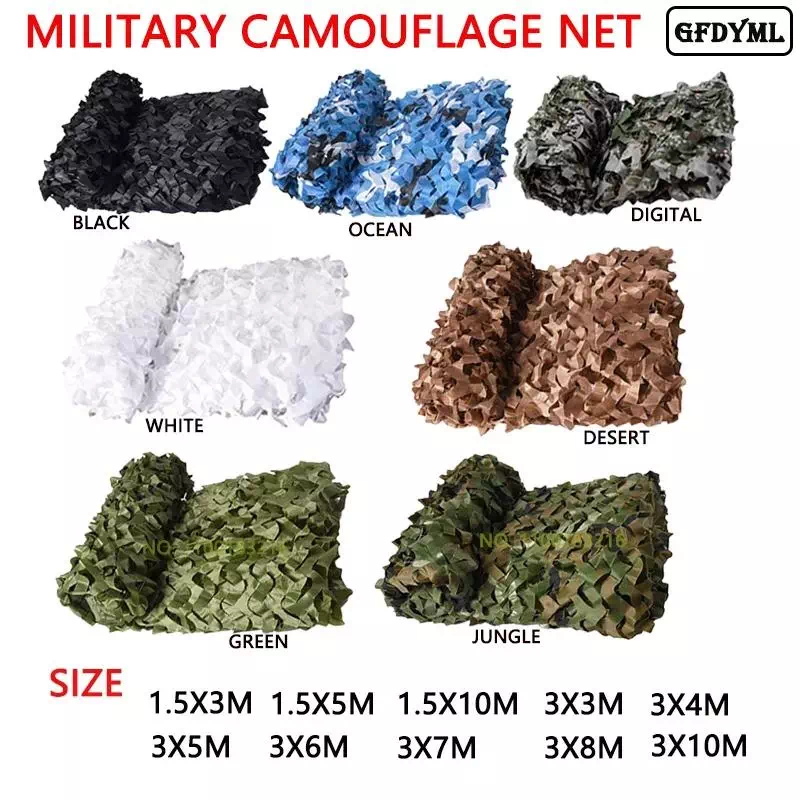
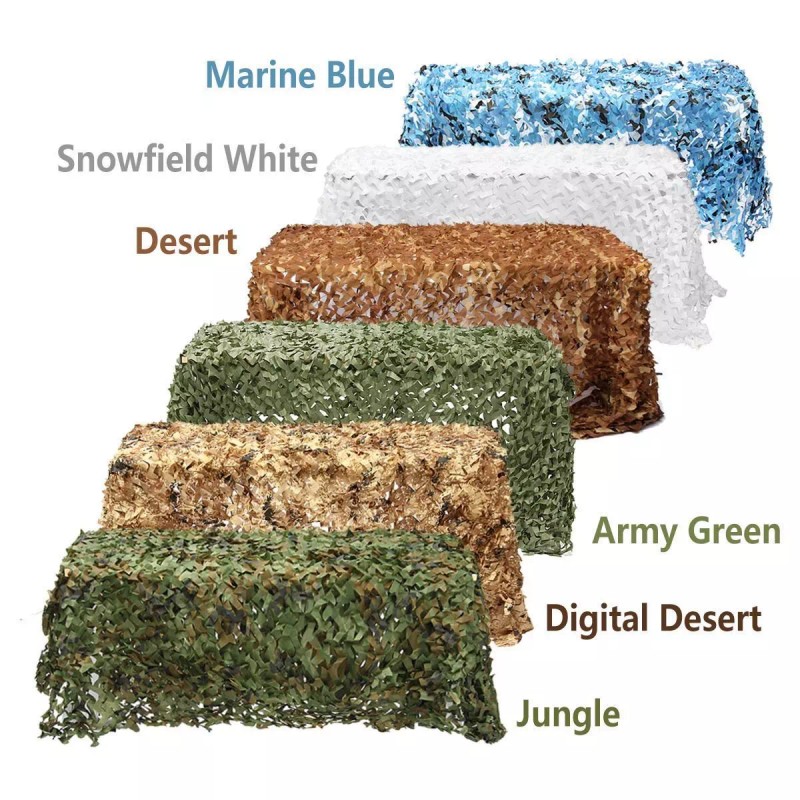
Woodland Camouflage Netting
Woodland patterns typically combine green, brown, and dark shades. They are suitable for forest environments, hunting blinds, wildlife observation, and outdoor equipment coverage.
Desert Camouflage Netting
Desert camouflage netting uses tan, beige, and brown colors. It is designed for dry landscapes with limited vegetation.
Snow Camouflage Netting
Snow patterns mainly use white and gray tones. They are suitable for winter environments, where flexibility and resistance to cold-weather exposure should also be considered.
3D Camouflage Netting
3D camouflage netting features additional leaf-shaped or irregular cut patterns. Its textured structure helps break up the outline of covered objects and is commonly used for hunting and outdoor concealment.
2. What Materials Are Used in Camo Netting?
Material selection directly affects weight, durability, flexibility, and outdoor performance.
| Material | Main Characteristics |
| Polyester | Good dimensional stability |
| Nylon | Flexible and strong |
| Polyethylene | Lightweight and moisture resistant |
For outdoor applications, buyers should confirm whether the material has UV protection. Long-term sunlight exposure can cause fading and material degradation.
When comparing different types of outdoor netting, buyers can also explore Dawei's agricultural netting products, which include polyethylene and other netting options for agricultural protection.
Do not rely solely on general claims such as "weather resistant." Ask suppliers for relevant test reports when specific performance requirements are involved.
3. Key Specifications to Check Before Buying
A camouflage net may look suitable in photographs but perform differently during actual use.
Before placing an order, review these specifications:
Material: Confirm the exact material composition.
Dimensions: Check length, width, and available custom sizes.
Weight: Compare weight per square meter where applicable.
Mesh structure: Evaluate opening size and coverage.
Camouflage pattern: Select colors suitable for the target environment.
UV resistance: Confirm whether UV stabilization is included.
Edge reinforcement: Check stitching, reinforced borders, and attachment points.
Packaging: Confirm individual packaging or bulk packing requirements.
These details are particularly important for distributors who need consistent specifications across repeat orders.
4. Main Applications of Camouflage Netting
Hunting and Outdoor Recreation
For hunting blinds and outdoor shelters, lightweight construction, convenient installation, and suitable camouflage patterns are important.
Wildlife Photography
Photographers often need portable camouflage netting that provides visual coverage without making the shelter difficult to transport or install.
Equipment Coverage
Camouflage netting can cover outdoor equipment and storage areas. Buyers should select suitable dimensions and secure attachment points to prevent excessive movement in windy conditions.
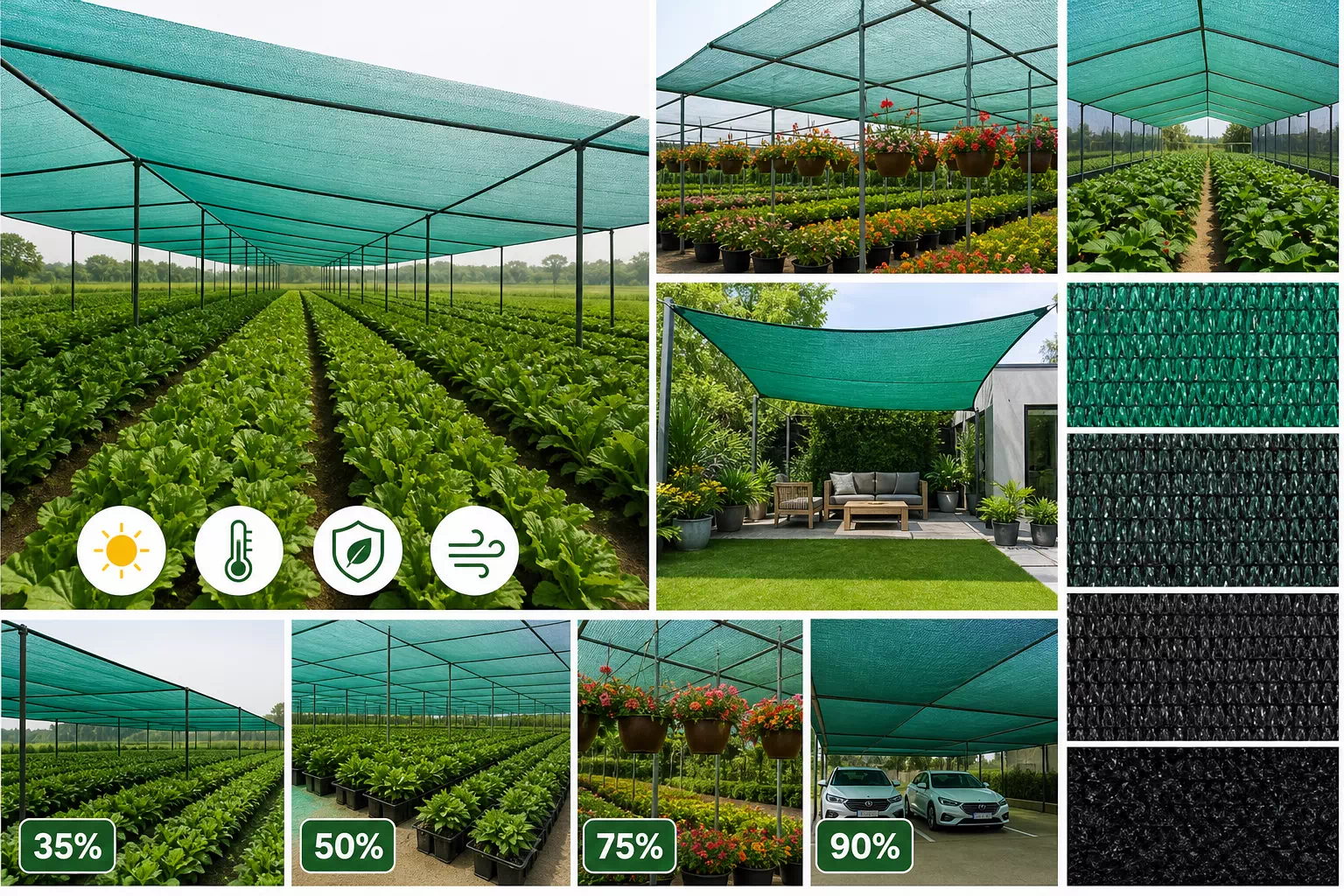
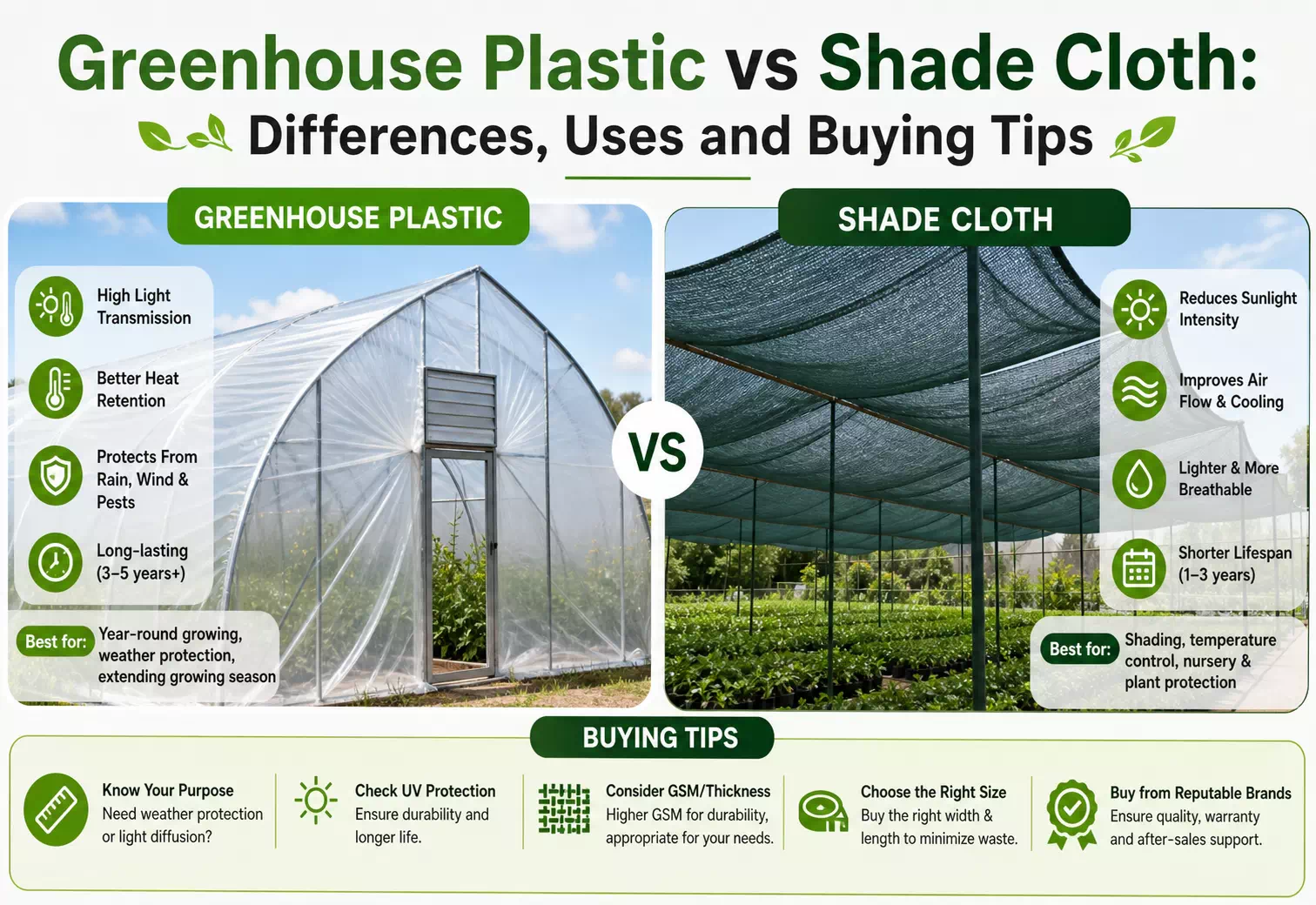
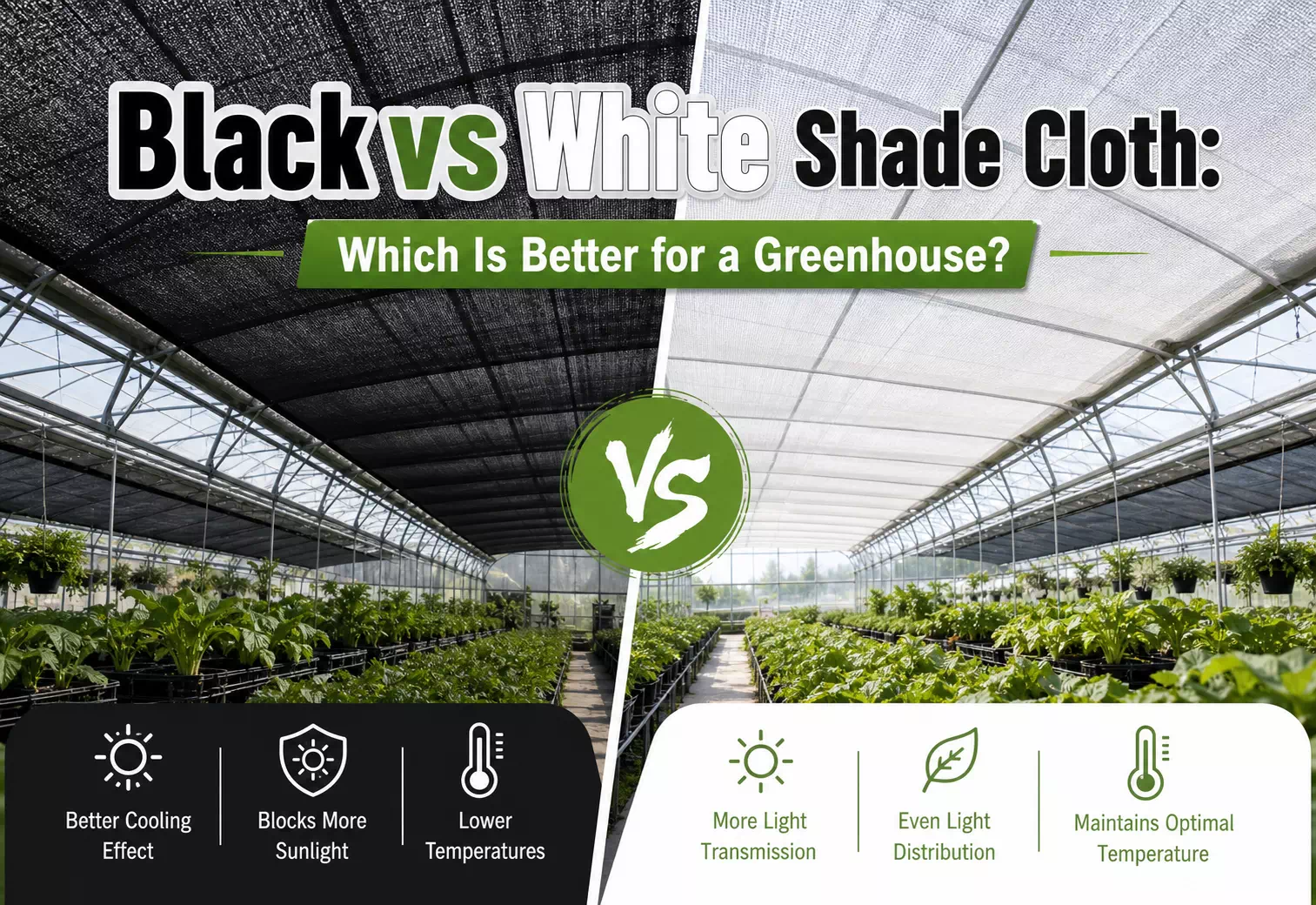
For projects involving other outdoor protective materials, Dawei also supplies outdoor shade net products and dust-proof netting. These products serve different purposes from camouflage netting, but may be relevant to buyers sourcing multiple types of outdoor netting.
If a project requires a solid protective cover rather than an open mesh, consider Dawei's PE/PVC waterproof cloth.
The net should not be used as a load-bearing cover unless the manufacturer has specifically designed and rated it for that purpose.
5. How to Select a Reliable Netting Supplier
For wholesalers and importers, product consistency matters as much as the initial purchase price.
Before confirming a bulk order, consider the following:
Request samples: Check color, material, mesh structure, and finishing.
Confirm specifications: Document dimensions, weight, material, and construction.
Check quality control: Ask how the supplier inspects incoming materials and finished products.
Discuss customization: Confirm available patterns, sizes, packaging, and private-label options.
Verify test claims: Request supporting documents for UV resistance or other advertised performance.
A clear product specification and approved sample can help reduce differences between batches.
For more procurement considerations, read Dawei's guide to wholesale netting solutions for businesses.
6. Frequently Asked Questions
What is the difference between camouflage netting and camo netting?
Both terms refer to the same general product category. "Camouflage netting" is the full product name, while "camo netting" is a shorter alternative commonly used in searches and product descriptions.
Is camouflage netting waterproof?
Not necessarily. Most open-mesh camouflage netting allows water to pass through. Waterproof or water-resistant performance depends on the material and any additional coating or backing.
Which camouflage netting is best for outdoor use?
The right choice depends on the environment and application. Buyers should consider UV protection, material durability, mesh construction, and the appropriate camouflage pattern.
Can camouflage netting be customized for wholesale orders?
Customization may include dimensions, colors, patterns, materials, edge reinforcement, and packaging. Available options and minimum order quantities should be confirmed with the supplier.
7. Request a Netting Wholesale Quotation
Selecting the right camouflage netting starts with understanding the application and required specifications.
For distributors, importers, and bulk buyers, preparing product requirements in advance makes supplier evaluation and quotation more efficient.
When requesting a quotation, provide:
Required material and camouflage pattern
Product dimensions and estimated quantity
Intended application
Packaging and branding requirements
Specific durability or UV resistance requirements
Contact Dawei to discuss your netting requirements and wholesale purchasing needs.
Contact Dawei to discuss available netting products, customization requirements, and bulk purchasing options.