Choosing the right covering material is essential for improving plant growth, protecting crops from harsh weather conditions, and increasing agricultural productivity.
For greenhouse growers, farmers, and commercial plant nurseries, two of the most popular solutions are greenhouse plastic and shade cloth. Although both materials are designed to protect plants, they serve different purposes.
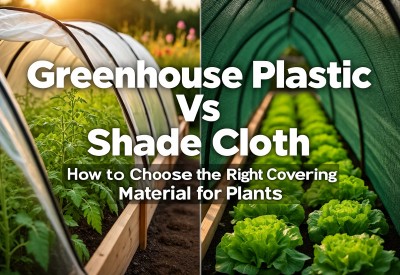
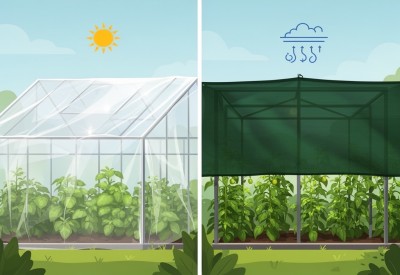
Greenhouse plastic helps create a controlled growing environment by retaining heat and maintaining humidity, while shade cloth for plants reduces excessive sunlight and prevents heat stress.
Understanding the differences between these agricultural covering materials can help growers select the best solution for their specific needs.
What Is Greenhouse Plastic?
Greenhouse plastic is a specialized polyethylene film used as a protective covering for greenhouses and agricultural structures.
Unlike ordinary plastic materials, greenhouse plastic is designed with UV resistance, durability, and light diffusion properties to support plant growth.
Common types of greenhouse plastic include:
Clear greenhouse plastic
UV-resistant plastic sheeting
Anti-drip greenhouse film
Multi-layer greenhouse film
High-quality greenhouse plastic allows sunlight to enter while protecting crops from rain, wind, insects, and temperature changes.
Benefits of Greenhouse Plastic
1. Creates a Controlled Growing Environment
Greenhouse plastic helps maintain stable temperatures inside the greenhouse by reducing heat loss during cold weather.
This makes it suitable for:
Vegetable production
Flower cultivation
Seedling growing
Commercial farming
2. Improves Light Transmission
Many greenhouse films use advanced materials that distribute sunlight evenly throughout the growing area.
This reduces shadow areas and supports healthier plant development.
3. Provides Weather Protection
Durable plastic sheeting protects crops from:
Heavy rain
Strong wind
Frost
Dust
Insects
What Is Shade Cloth?
Shade cloth is a woven or knitted fabric designed to reduce sunlight intensity and protect plants from excessive heat.
It is widely used in greenhouses, nurseries, gardens, and outdoor agricultural applications.
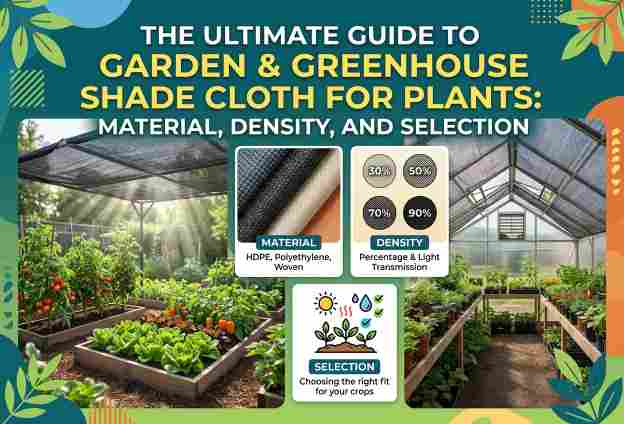
The shading percentage usually ranges from:
30% shade cloth
50% shade cloth
70% shade cloth
90% shade cloth
Different plants require different levels of sunlight protection.
Why Use Shade Cloth for Plants?
Using the correct shade cloth for plants can significantly improve growing conditions during hot seasons.
Main Advantages of Shade Cloth
1. Reduces Heat Stress
High temperatures can damage crops and reduce plant productivity.
Shade cloth helps control sunlight exposure and keeps plants cooler.
2. Protects Plants from Strong UV Rays
Quality shade cloth provides UV protection and extends service life even under outdoor conditions.
3. Improves Water Efficiency
By reducing evaporation, shade cloth helps plants maintain moisture levels and reduces irrigation requirements.
Common applications include:
Greenhouses
Nurseries
Flower farms
Vegetable gardens
Landscaping projects
Greenhouse Plastic vs Shade Cloth: Main Differences
| Feature | Greenhouse Plastic | Shade Cloth |
|---|---|---|
| Main Purpose | Heat retention and greenhouse protection | Sunlight control and cooling |
| Material | Polyethylene film | HDPE knitted fabric |
| Light Control | Allows sunlight transmission | Reduces sunlight intensity |
| Best Application | Cold climates and greenhouse farming | Hot climates and outdoor plant protection |
| Weather Protection | Excellent against rain and wind | Mainly protects against sunlight |
| Installation | Fixed greenhouse covering | Flexible installation options |
Can Greenhouse Plastic and Shade Cloth Be Used Together?
Yes.
Many commercial growers use both materials together to create a better growing environment.
For example:
Greenhouse plastic provides protection from rain and cold temperatures.
Shade cloth controls excessive sunlight and reduces heat.
This combination is especially useful in regions with strong sunlight and changing weather conditions.
Using both materials can improve:
Crop quality
Plant growth
Energy efficiency
Production stability
The Role of Weed Barrier Fabric in Agriculture
Besides greenhouse coverings, ground protection is also important for successful plant production.
Weed barrier fabric is a durable ground cover material designed to prevent weed growth while allowing water and air to pass through.
It is commonly used in:
Greenhouses
Farms
Nurseries
Landscaping projects
Benefits of Weed Barrier Fabric
Reduce Weed Growth
A quality weed control fabric blocks sunlight from reaching weeds, reducing the need for chemical herbicides.
Improve Farm Management
Using weed barrier materials helps farmers save labor costs and maintain cleaner growing areas.
Support Healthy Plants
By reducing weed competition, crops can receive more nutrients, water, and space.
Clear Plastic Sheeting for Greenhouse Applications
Clear plastic sheeting is another popular agricultural covering material.
It provides excellent transparency and allows maximum sunlight penetration.
Common applications include:
Greenhouse construction
Plant tunnels
Temporary crop protection
Garden covers
When selecting clear plastic for greenhouse use, buyers should consider:
Thickness
UV resistance
Durability
Light transmission rate
Climate conditions
How to Choose the Right Plant Covering Material?
Before choosing greenhouse covering materials, consider the following factors:
1. Climate Conditions
For colder areas:
Choose:
Greenhouse plastic
Clear plastic sheeting
For hot and sunny areas:
Choose:
Shade cloth
Shade cloth for plants
2. Plant Requirements
Different plants have different light and temperature requirements.
Vegetables, flowers, and seedlings may require different shading levels.
3. Growing Environment
Consider whether your application is:
Commercial greenhouse
Outdoor farming
Nursery production
Home gardening
Conclusion
Both greenhouse plastic and shade cloth play important roles in modern agriculture.
Greenhouse plastic is ideal for creating a protected growing environment, while shade cloth provides effective sunlight control and heat reduction.
For complete crop protection, growers can also combine these solutions with weed barrier fabric, weed barrier, and durable clear plastic sheeting.
Choosing the right agricultural covering material helps improve plant growth, reduce maintenance costs, and increase farming efficiency.
For professional greenhouse plastic, shade cloth, and agricultural covering solutions, working with an experienced manufacturer ensures better quality, durability, and long-term performance.
CTA
Looking for reliable greenhouse plastic, shade cloth or weed control solutions? Contact us for customized agricultural covering materials and wholesale supply options.