When choosing between artificial turf and real turf, understanding their differences across several practical aspects can help you make a better decision. Below is a clear comparison organized by key factors, with both types of turf discussed naturally within each section.
1. Maintenance Requirements
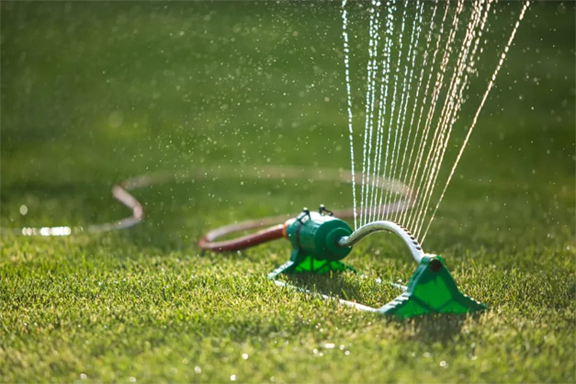
Artificial turf stands out for its extremely low maintenance since it doesn’t require watering, mowing, fertilizing, or pest control—only occasional cleaning to remove debris. In contrast, real turf demands continuous care such as regular watering, trimming, fertilization, and disease management. This makes natural grass more time-consuming and costly to maintain, especially in large areas.
2. Durability and Usage
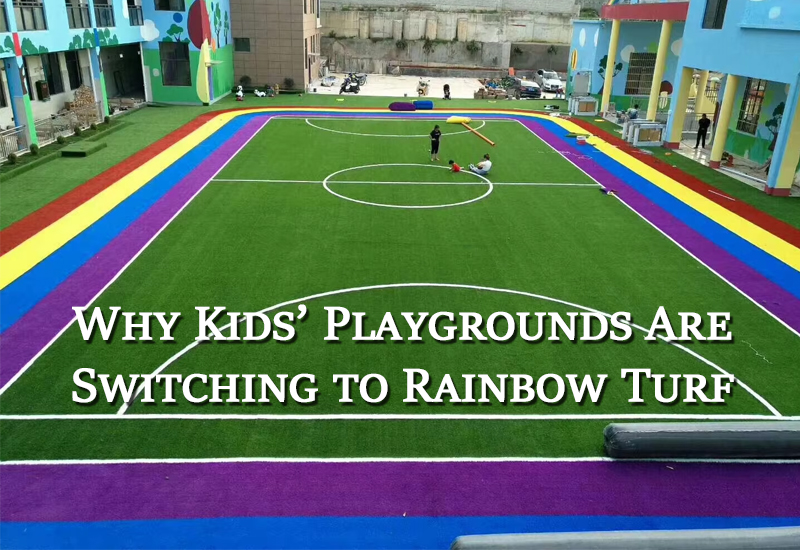
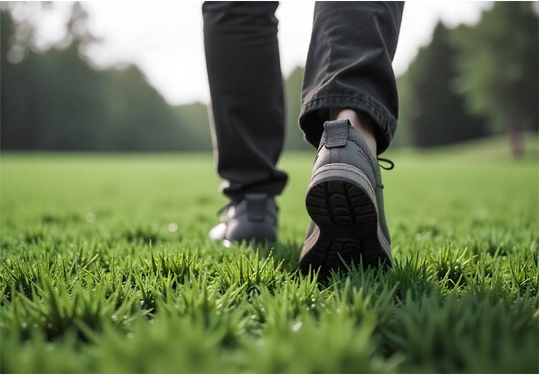
If durability is the priority, artificial turf performs much better under frequent foot traffic because its synthetic fibers resist wear and maintain appearance even in sports or playground environments. Real turf, however, becomes easily worn down by heavy use, developing bald patches or muddy areas that take time and effort to repair.
3. Environmental Considerations
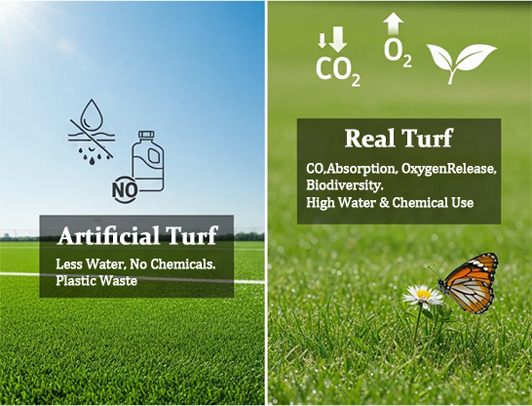
From an environmental perspective, artificial turf reduces water consumption and eliminates the need for chemical fertilizers or pesticides, but it is still a plastic-based product that becomes non-biodegradable waste when replaced. Real turf contributes positively to the ecosystem by absorbing carbon dioxide, releasing oxygen, improving humidity, and supporting biodiversity, though its high water usage and chemical treatments may offset some of these benefits in certain climates.
4. Heat and Comfort Level
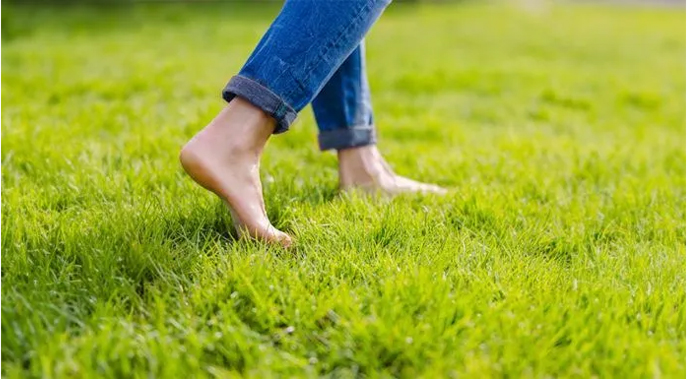
Artificial turf tends to absorb and retain heat, making its surface uncomfortably hot during summer and unsuitable for barefoot walking. Real turf, on the other hand, remains naturally cool and soft, providing a more comfortable surface for outdoor activities and relaxing in warm weather.
5. Appearance and Seasonal Performance
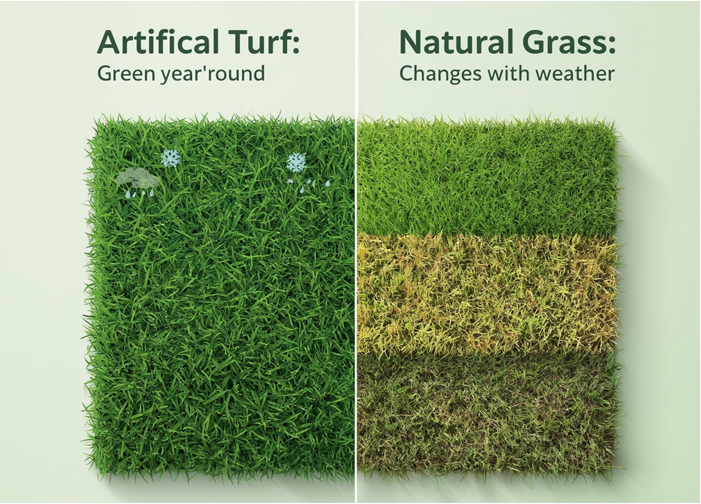
Artificial turf maintains a consistently green and tidy appearance throughout the year, regardless of climate or season. Real turf offers a naturally vibrant and visually rich look but can change with weather, turning yellow or thinning out during cold, dry, or extreme conditions.
6. Water Consumption and Cost
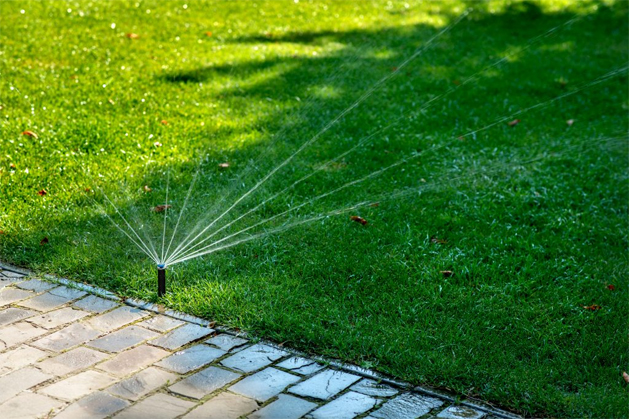
Artificial turf requires no irrigation, significantly reducing long-term water costs, though its initial installation cost is higher. Real turf is cheaper to install but demands a substantial and ongoing water supply to stay healthy, which increases long-term expenses—especially in regions with drought or water restrictions.
Conclusion
Artificial turf is ideal for areas requiring high durability and minimal maintenance, while real turf remains unmatched for natural beauty, comfort, and ecological benefits. The best choice ultimately depends on your climate, maintenance capacity, budget, and how the area will be used.